
Kidney Stone & Urology Care
Hydrocele Surgery

What is a Hydrocele?
A hydrocele is a fluid-filled swelling around the testicle, usually painless but uncomfortable.
Common in men of all ages, it can increase in size and cause heaviness, discomfort while walking, or embarrassment.

Symptoms
- Swelling on one or both sides of the scrotum
- Feeling of heaviness
- Discomfort while sitting or moving
- May increase in size over time
Why Surgery is Needed
While small hydroceles may not need treatment, surgery is recommended if:
- It becomes large or painful
- Interferes with daily activities
- Causes cosmetic concern
- Doesn’t resolve on its own
Treatment – Hydrocelectomy
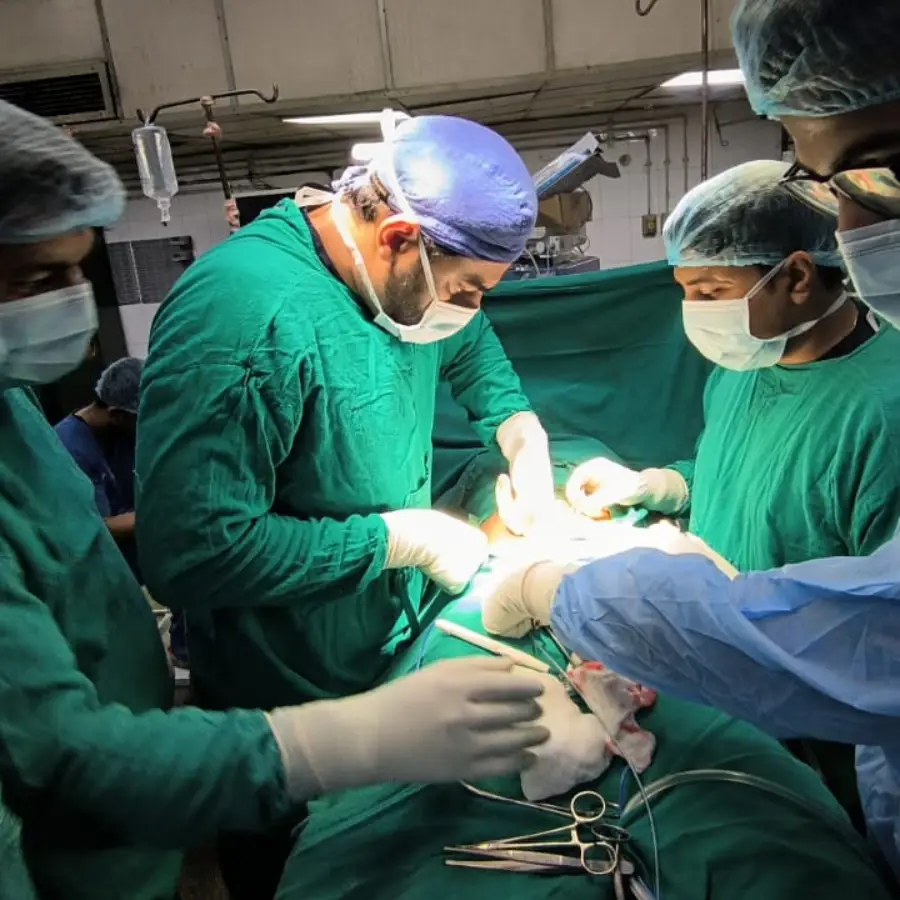
A hydrocelectomy is a safe, daycare procedure to remove the fluid and prevent recurrence.
Types:
✅ Conventional (Open) Hydrocelectomy
- Small incision on the scrotum
- Fluid is drained, and sac is removed
- Stitch-based, but safe and effective
✅ Laser/Minimally Invasive Hydrocelectomy
- Less bleeding, quicker healing
- Shorter procedure time
- Minimal pain, early recovery
Why Choose Dr. Davinder Singh
Choosing the right surgeon isn’t just about qualifications — it’s about trust, consistency, and the confidence that you’ll be cared for with skill and honesty. Dr. Davinder Singh brings all of that together with over a decade of hands-on experience and a background that speaks for itself.
01.
Experience
Years of experience in hydrocele surgery and Focus on painless care and a quick return to normal life
02.
Listning
Patient-first approach with detailed pre and post-op guidance
03.
Faith
Trusted by patients across Punjab and neighbouring states
What My Clients Say
Let real testimonials do the speaking!
Frequently Asked Questions
No. It’s done under local or spinal anesthesia. Mild soreness afterward is easily manageable.
Rarely. With proper technique, recurrence is very unlikely.
Yes, hydrocelectomy is safe and routine, even for men above 60.
Delaying may cause increased discomfort or swelling. If it’s bothering you, it’s better to get treated early.
Not really. 2–3 days of light rest are usually enough.